Three pillars. One integrated model.
Healthcare, agribusiness, and STEM are interconnected pathways — not silos — to community resilience in Northern Ghana.
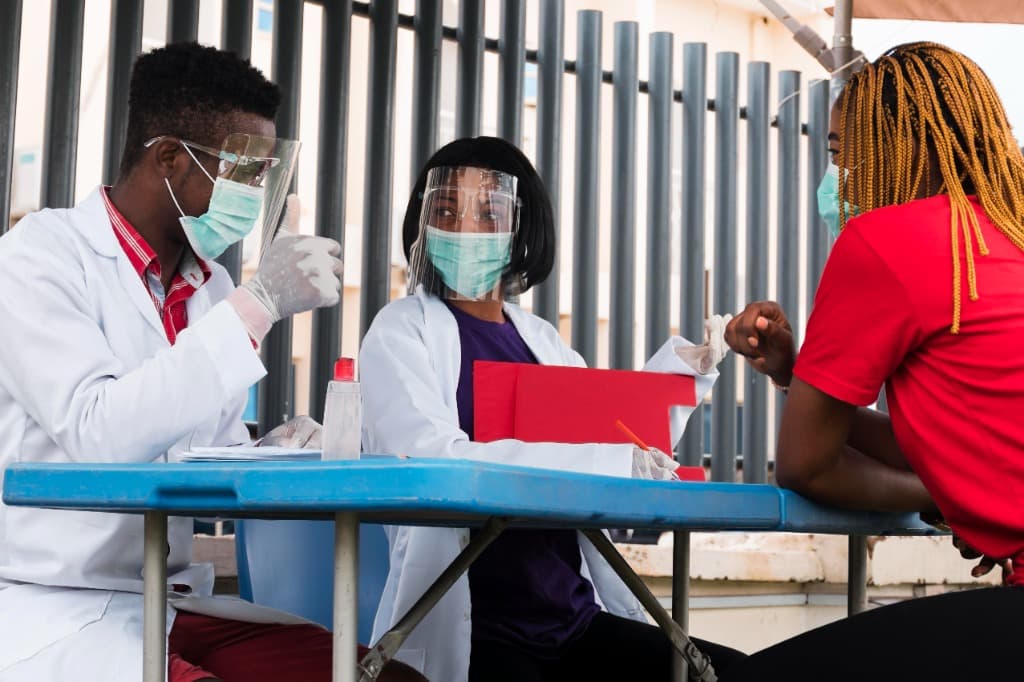
Healthcare & Sanitation Training
“A health knowledge gap is both a human rights issue and an economic one.”
Community Health Volunteer certification, WASH education, first aid, and maternal health awareness — for women, girls, and youth aged 15–35.
What participants receive
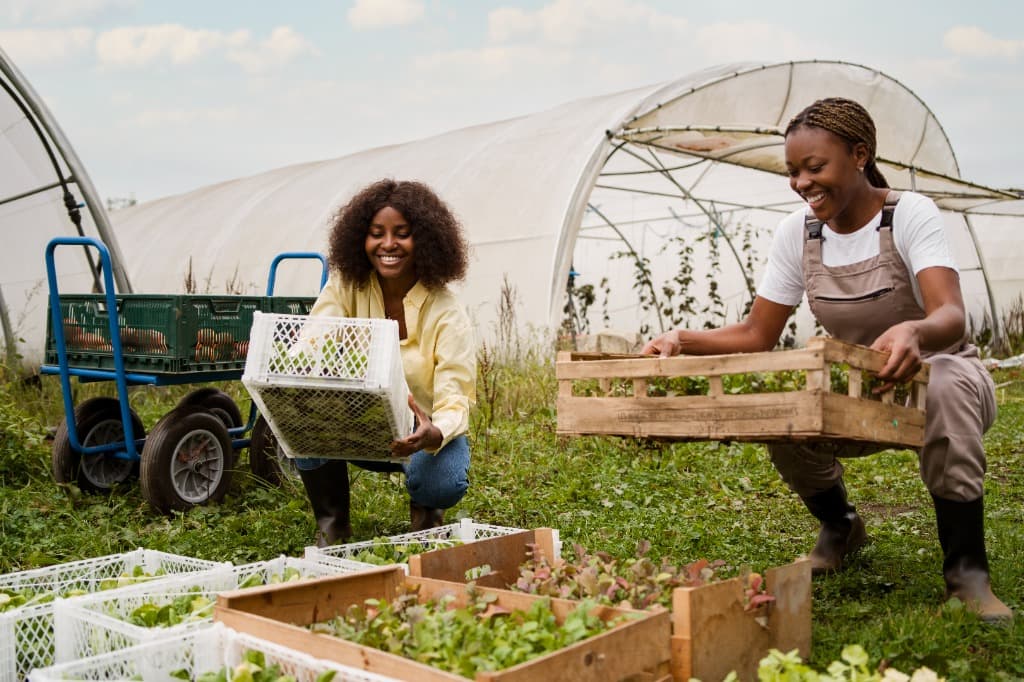
Agribusiness & Rural Economic Diversification
“Turning subsistence farmers into resilient rural agri-entrepreneurs.”
Climate-smart farming, post-harvest handling, value addition, cooperative formation, and buyer network linkages for smallholder farmers and rural youth.
What participants receive
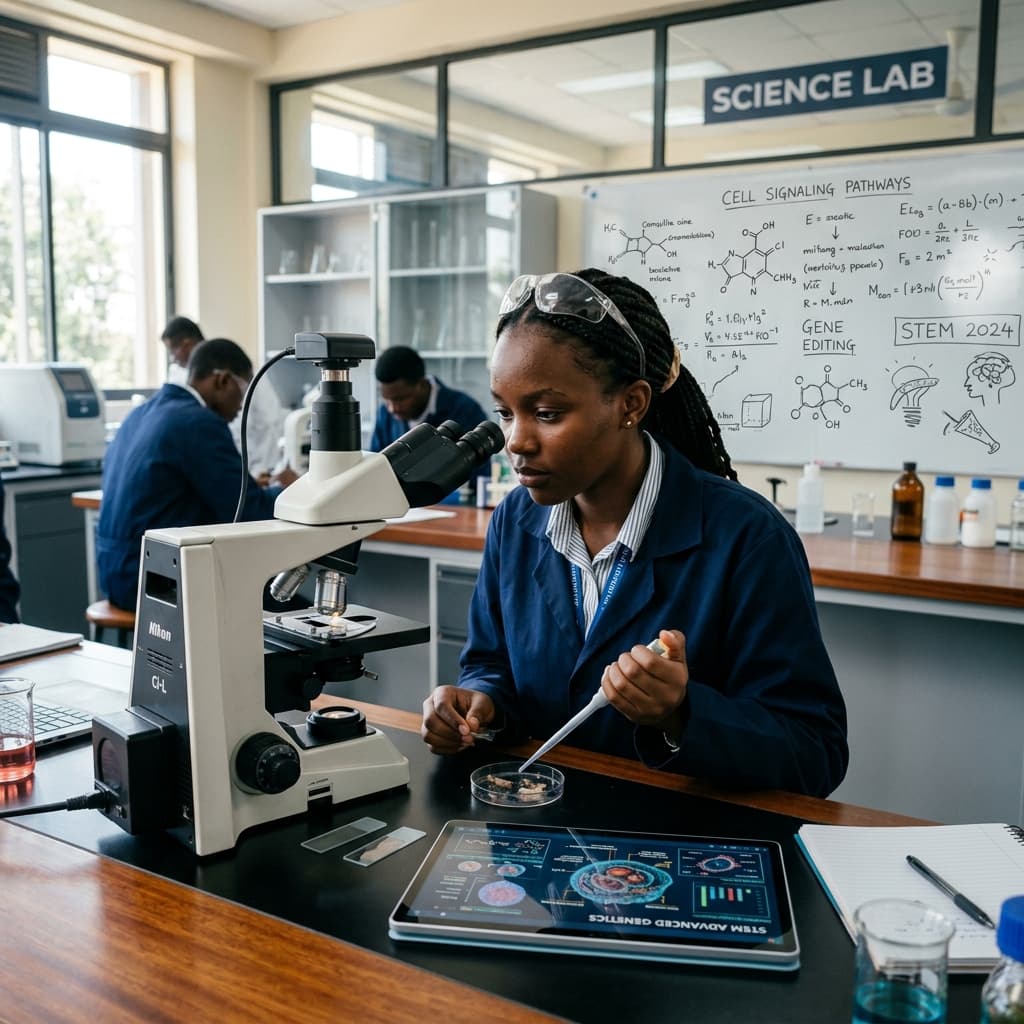
STEM Education
“Financial constraints should never extinguish scientific potential.”
Scholarships, mentorship, career counselling, internship facilitation, and innovation exposure for academically promising students from low-income households.
What participants receive
Five stages. One continuous cycle.
Community-grounded, rigorously measured, and built to continue without us.
Assess
Community needs analysis, stakeholder mapping, and baseline asset inventory.
Design
Co-creation of training curricula and selection of community-embedded trainers.
Deliver
Skills training, scholarship disbursement, and agricultural input provision.
Measure
Real-time outcome tracking, community feedback loops, and impact reporting.
Scale
Replicating validated models across new communities and geographies.
Non-cash. Community-owned. Employer-linked.
No direct cash transfers
All support goes into tools, materials, training, and scholarships — fully traceable, zero leakage.
Community-owned delivery
Programmes are co-designed with Community Advisory Committees and evaluated annually by independent bodies.
Employer-linked pathways
STEM graduates connect to mentors and networks. Agri-graduates link to buyer cooperatives and input suppliers.